
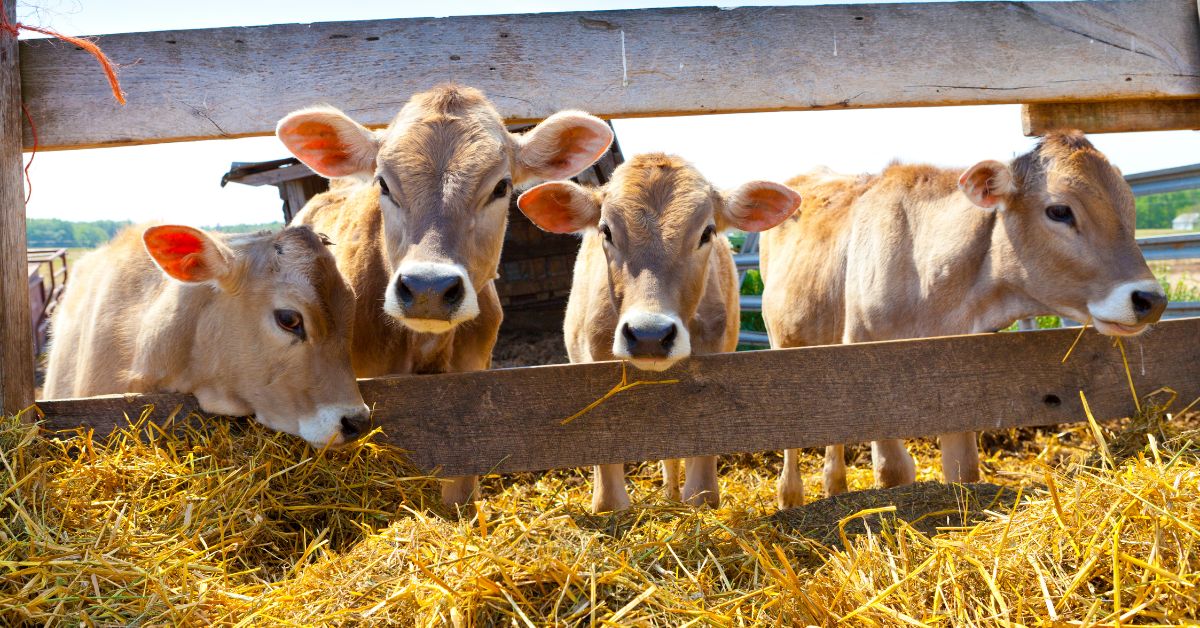
The weeks after calving are one of the most demanding periods in a cow’s production cycle. She is recovering from calving, producing milk, and preparing for the next breeding season—all while her nutritional needs are increasing.
A cow that loses too much body condition after calving may take longer to return to a normal reproductive cycle. For ranchers, maintaining a steady, practical feeding program can make an important difference in herd performance.
Here are five ways to manage post-calving cow nutrition and help cows stay on track.
1. Evaluate body condition after calving
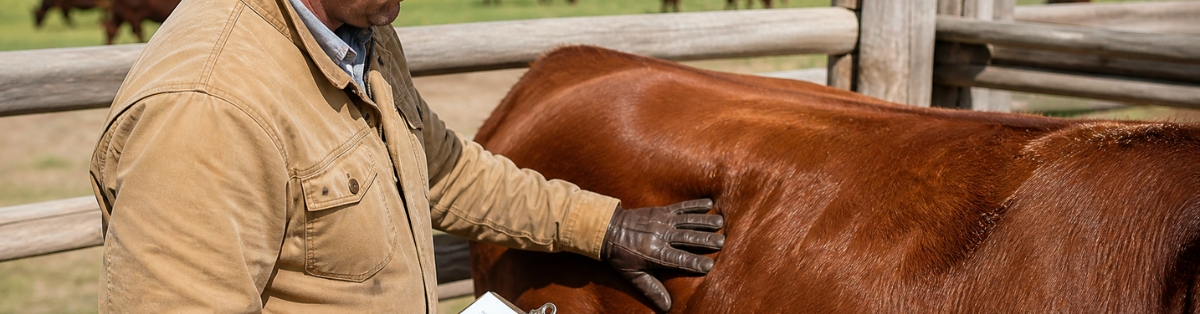
Body condition scoring gives ranchers a practical way to monitor whether cows are maintaining adequate reserves. A cow that appears to be losing weight quickly may not be receiving enough usable energy, protein, or both.
Rather than waiting until breeding season to identify problems, evaluate cows regularly during the post-calving period. Look for changes in:
- Rib and hip visibility
- Muscle coverage along the topline
- Fat around the tailhead
- Overall alertness and activity
- The condition of the cow compared with the rest of the herd
Early observation gives you more time to adjust the feeding program before poor condition affects rebreeding.
2. Match the ration to the cow’s changing needs
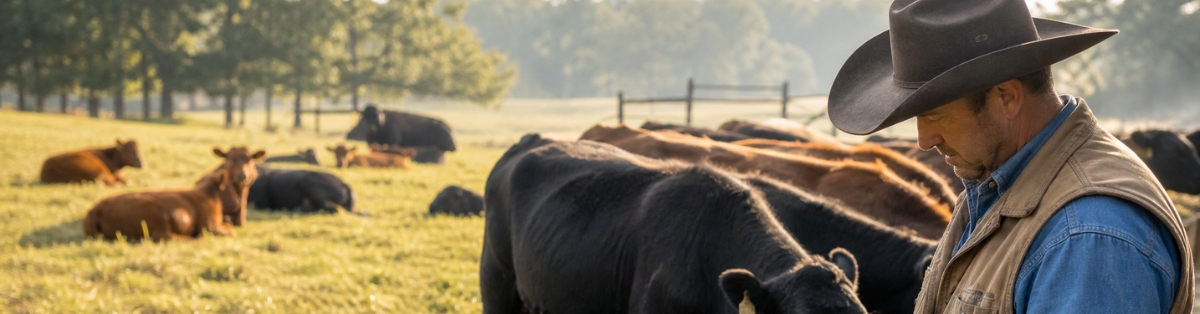
After calving, a cow’s nutritional requirements increase as she produces milk for her calf. Forage remains the foundation of the diet, but forage quality and availability can vary significantly by season, weather, and pasture conditions.
A ration that supported a dry, pregnant cow may not supply everything a lactating cow needs. Review the available forage and consider whether the diet provides adequate:
- Protein to support maintenance and milk production
- Energy to help maintain body condition
- Minerals for overall health and reproductive function
- Fiber to support proper rumen function
The goal is not simply to provide more feed. It is to provide the right nutrients in a balanced program that fits the herd, forage base, and production stage.
Want to learn more about Colorado Mills? Discover our full-cycle approach to sunflower oil, livestock feed, and grower partnerships on our About Colorado Mills page.
3. Watch for cows that need additional support
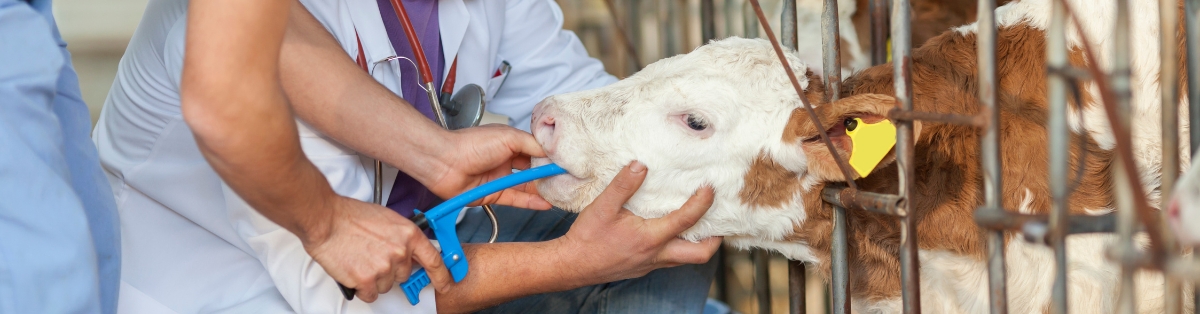
Not every cow enters the post-calving period in the same condition. First-calf heifers, cows raising large or active calves, and animals that experienced a difficult calving may require closer attention.
Separate management may be appropriate for cows that are:
- Losing body condition faster than the rest of the herd
- Competing poorly for feed
- Nursing particularly demanding calves
- Recovering from calving-related challenges
- Approaching breeding season in marginal condition
Monitoring these animals individually can help prevent one feeding strategy from being applied too broadly. A feed supplier or veterinarian can help determine whether additional protein, energy, or minerals are appropriate.
Explore our sunflower-based Performance Equine feed — high fat, low starch, and built for steady digestion. [See our Healthy Horse Feed →]
4. Keep feed and water access consistent
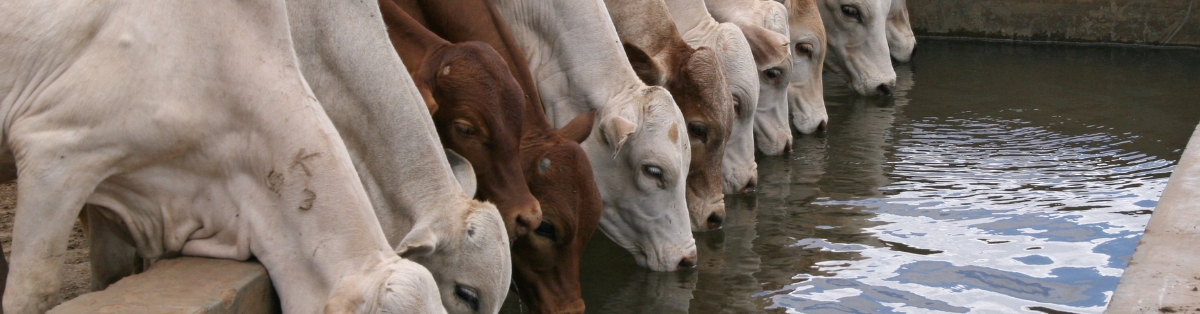
Consistency is an important part of post-calving cow nutrition. Sudden changes in feed availability, pasture quality, or supplementation can make it more difficult for cows to maintain condition.
Provide dependable access to clean water and make sure feeding areas allow cows to consume their share without excessive competition. Water intake supports feed intake, milk production, and normal body function, so inadequate water access can undermine an otherwise sound ration.
When changing feeds or supplements, make adjustments carefully and monitor how the herd responds. Consistent access and gradual changes can help maintain a more stable feeding routine.
5. Prepare before breeding season begins
Rebreeding should not be treated as a last-minute goal. The nutritional program after calving helps determine whether cows are in a position to return to the breeding cycle on schedule.
Review body condition several weeks before breeding season and identify cows that may need additional support. Waiting until cows are already losing significant condition leaves less time to correct the problem.
For a broader look at how protein and energy influence cow condition and reproductive success, read Getting Your Cow to the Finish Line. That article explains why maintaining a steady nutritional plane is important during gestation, after calving, and leading into breeding.
Are you interested in growing sunflowers? Find resources and information for sunflower growers.
Build a practical feeding plan
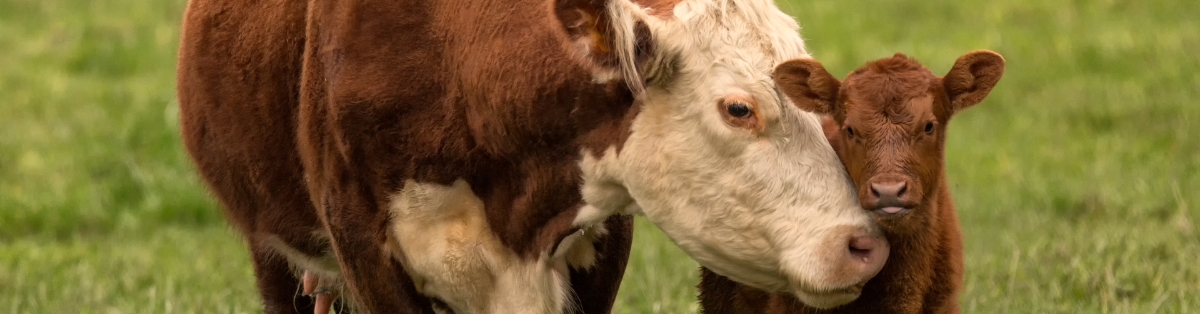
Successful post-calving cow nutrition starts with observation and continues with regular adjustments. Evaluate body condition, understand the quality of available forage, provide consistent feed and water access, and work with your veterinarian or feed supplier when the herd’s needs change.
Every operation has different forage, weather, facilities, and management conditions. A practical plan should account for those differences while keeping the primary goal in view: maintaining healthy cows that can raise a strong calf and return to production.
Colorado Mills works with agricultural producers to provide livestock feed solutions while making full use of sunflower products through a sustainable, full-cycle approach. To discuss your herd’s feeding needs, contact Colorado Mills at (719) 336-8452 or visit the Colorado Mills contact page.

Looking for Colorado Mills products? Visit our online shop to explore available options.
0 Comments