
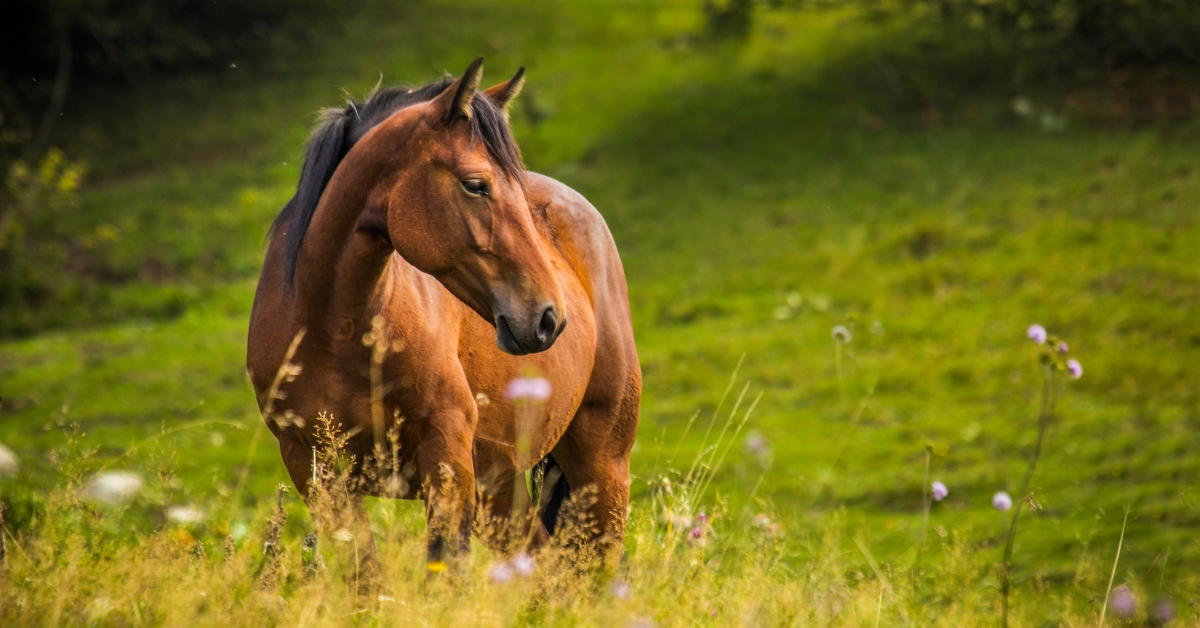
Knowing how to prevent horse colic matters—because it’s one of those words no horse owner likes to hear, and most of us have dealt with it at some point. While colic can have different causes, a common theme is that many horses today live in conditions that don’t match how their digestive system was designed to work.
Horses were built to move and graze for many hours a day, taking in forage in small amounts almost continuously. When we confine them to stalls or small pens, change routines quickly, or feed large meals on a tight schedule, we can increase the chances of digestive upset.
The good news: there are several practical, consistent habits that can help reduce colic risk. Below are the biggest prevention levers you can control—especially through forage management, hydration, and smart horse feed choices.
Curious about the science behind our process? Learn more About Colorado Mills and our commitment to solvent-free, high-quality oil production.
Why Horses Are Prone to Colic (Quick Digestive Reality Check)

A horse’s stomach is relatively small compared to the rest of its digestive tract. That’s why horses do best when they can:
- Eat frequent, small “meals”
- Chew thoroughly
- Keep digesta moving through the system steadily
- Drink enough water to prevent dehydration-related impaction
When any of those break down—especially water intake + forage quality + meal timing—colic risk tends to rise.
The Most Common Colic Triggers (And What They Look Like in Real Life)
Most day-to-day colic risk factors show up as management issues:
- Inconsistent feeding schedules (big swings in timing or meal size)
- Not enough clean, fresh water (dehydration → higher impaction risk)
- Sudden changes in environment or work level (stress + routine shifts)
- Rapid feed or hay changes (gut microbes need time to adapt)
- Poor-quality hay (less digestible → more risk of impaction)
- Cold weather water drop-off (horses often drink less when it’s cold)
- Parasites (requires an appropriate control plan)
- Dental problems (poor chewing = poor digestion from step one)
Now let’s turn those into a simple prevention plan.
Not sure what to look for on the label? Check out our Sunflower Oil Information to understand the health benefits of a high-oleic profile.
How To Prevent Horse Colic: A Practical Checklist
1) Feed Consistently (Same Times, Same Pattern, Minimal Surprise)
If you only do one thing from this article: get consistent.
Because horses are natural grazers, many do best when:
- Forage is available for many hours each day
- Concentrates (if needed) are split into smaller meals
- Daily timing is predictable
If your schedule doesn’t allow multiple feedings, your best alternative is typically to:
- Provide enough quality forage early so your horse can nibble throughout the day
- Avoid running out of hay for long stretches (especially overnight)
Consistency matters more than whether you feed concentrate AM vs PM. Pick a plan you can execute daily—and stick to it.
2) Keep Water Intake High (Hydration Is a Colic-Prevention Tool)
A common, preventable risk factor is dehydration, which can contribute to impaction as intestinal contents become drier and more compacted.
Make it easy for horses to drink:
- Provide clean, fresh water at all times
- Check troughs/buckets daily (especially in winter)
- In cold weather, consider strategies to keep water more drinkable (horses often drink less when it’s icy)
If your horse’s routine changes (weather, travel, new turnout, new herd), water intake is one of the first things to monitor.
- Avocado Oil Profile: While high in stable fats, it typically carries 4x more fragile PUFA (~18%) than the Colorado Mills profile (~4%).
- Animal Fat Profile: Stable due to saturated fats, but lacks the neutral flavor and heart-healthy profile of a high-oleic vegetable oil.
Want to see this stability in action? Browse our Recipes for high-heat cooking inspiration using high oleic oil.
3) Prioritize Forage Quality (Poor Hay + Low Water = Trouble)
Hay quality matters—not just for calories, but for digestibility.
Lower-quality hay can be tougher to break down and move through the gut. When that’s paired with low hydration, the risk picture gets worse fast.
Practical rule: buy the best forage you can, then feed it consistently. If you need to change hay types, do it gradually so the digestive system can adapt.
Ready to upgrade your kitchen? Shop our Consumer Bottles and experience the difference of 100% natural, high-oleic oil.
4) Make Smart Horse Feed Choices (Especially Starch and Sugar)

While forage should be the base of most equine diets, many horses also receive concentrates depending on age, workload, or body condition.
One colic-friendly principle: avoid “spikes and swings.”
That’s where low starch horse feed and low sugar horse feed options can make sense—especially for horses that don’t do well on higher-grain rations. For many animals, reducing starch/sugar load helps support steadier digestion and a more stable hindgut environment.
Some horses also do better when calories come from fat rather than heavy grain. In those cases, a high fat feed approach may be appropriate—particularly when it’s built for equine digestion and matched to your horse’s needs.
If you’re choosing or changing feed:
- Transition gradually over 7–14 days (or longer if your horse is sensitive)
- Monitor manure consistency, appetite, and water intake
- Align feed amounts with actual workload (don’t keep “performance” rations when work drops sharply)
Explore our sunflower-based Performance Equine feed — high fat, low starch, and built for steady digestion. [See our Healthy Horse Feed →]

Where ingredients can fit in (when appropriate)
Many feed programs also incorporate ingredients like sunflower meal depending on formulation goals. What matters most is the overall profile of the ration—digestibility, consistency, and suitability for your horse—not chasing a single ingredient.
If you use pelleted products as part of your program, select reputable, consistent formulations (including options often grouped under pelleted livestock feed categories) that are clearly labeled for equine use and align with your horse’s nutritional needs.
5) Parasite Control: Use a Plan, Not Guesswork
Parasites can contribute to digestive problems, but the answer isn’t always “hit them harder.”
A better approach:
- Use fecal testing where possible
- Work with your veterinarian to set the right schedule and product choice
- Avoid overly aggressive protocols that may not match your horse’s actual parasite load
6) Don’t Ignore Teeth (Digestion Starts at the Mouth)

A horse’s digestion begins with chewing. If teeth don’t align correctly, the horse can’t break down feed properly—which can affect digestion all the way through the tract.
Because teeth continuously erupt and change over time, plan for:
- Routine dental checks
- Floating as needed (per your vet/equine dentist)
This is an easy one to miss—and it can make a meaningful difference.
7) Be Careful With Routine Changes (Environment, Turnout, and Workload)
Some horses experience more digestive trouble when:
- Their turnout schedule changes
- They move barns or herds
- Their training/workload changes quickly
If activity decreases suddenly but the diet doesn’t change, you may have a mismatch (too much concentrate, not enough movement, altered water intake). When routines shift, revisit the feeding plan immediately
Our Sunmeal Pellet and Performance Equine are clearly labeled for equine use — clean ingredients, consistent results. [View Our Feed Products →]
Putting It All Together: The “Colic Prevention” Priority Stack

If you want a simple way to focus your effort, prioritize in this order:
- Consistency in feeding and turnout
- Clean, fresh water (especially in winter)
- High-quality forage
- Gradual changes—feed, hay, schedule, environment
- Appropriate horse feed selection (often including low starch horse feed / low sugar horse feed where it fits)
- Dental care + parasite control
A Note From Colorado Mills
At Colorado Mills, we believe the best prevention is consistent management paired with quality nutrition. If you’re evaluating horse feed options—especially a low starch horse feed, low sugar horse feed, or a program that supports performance without relying heavily on grain—choose a product built for steady digestion, and keep your routine predictable.
Explore our Healthy Horse Feed lineup — built around sunflower nutrition for horses that thrive on consistency. [Shop Performance Equine →]
Final Reminder
Colic prevention isn’t about one miracle fix—it’s about stacking small, repeatable habits that reduce risk over time. Feed consistently, keep water intake up, use quality forage, and make diet changes slowly. Those fundamentals are a small daily investment compared to the long-term value of keeping your horse healthy and comfortable for years to come.

0 Comments