

Which Holds Up Best in Commercial Frying?
When deciding on High-Oleic Sunflower Oil vs. conventional frying alternatives, kitchen operators need to know which option actually survives continuous heat. When the fryer runs through a busy lunch and straight into dinner service, the oil has a tough job handling repeated heat, food contact, and oxygen exposure.
High-oleic sunflower oil has a fatty acid profile that favors better resistance to oxidation than conventional canola and soybean oils. The main reason is its higher level of oleic acid, a more heat-stable type of unsaturated fat. That makes it a strong candidate for demanding commercial frying—but not a guarantee of a specific number of extra frying hours. [1]
Here’s the practical breakdown, without turning your kitchen into a chemistry classroom.
1. Why High-Oleic Sunflower Oil Resists Breakdown Under Heat

Cooking oils do not all respond to heat the same way. Their mix of fats helps determine how quickly they oxidize, or react with oxygen and deteriorate.
For this comparison, two types matter most:
- Monounsaturated fats: These include oleic acid, which is more resistant to oxidation.
- Polyunsaturated fats: These include linoleic and linolenic acids, which oxidize more readily.
High-oleic sunflower oil contains a larger share of the first type and a smaller share of the second.
According to Oklahoma State University Extension, increasing oleic acid while reducing polyunsaturated fats improves an oil’s thermal and oxidative stability. Simply put, that balance gives the oil a better starting point for handling prolonged heat. [1]
It does not make the oil immune to breakdown. Initial quality and naturally occurring antioxidants also affect performance.
2. High-Oleic Sunflower Oil vs. Conventional Fryer Options: Fatty Acid Breakdown
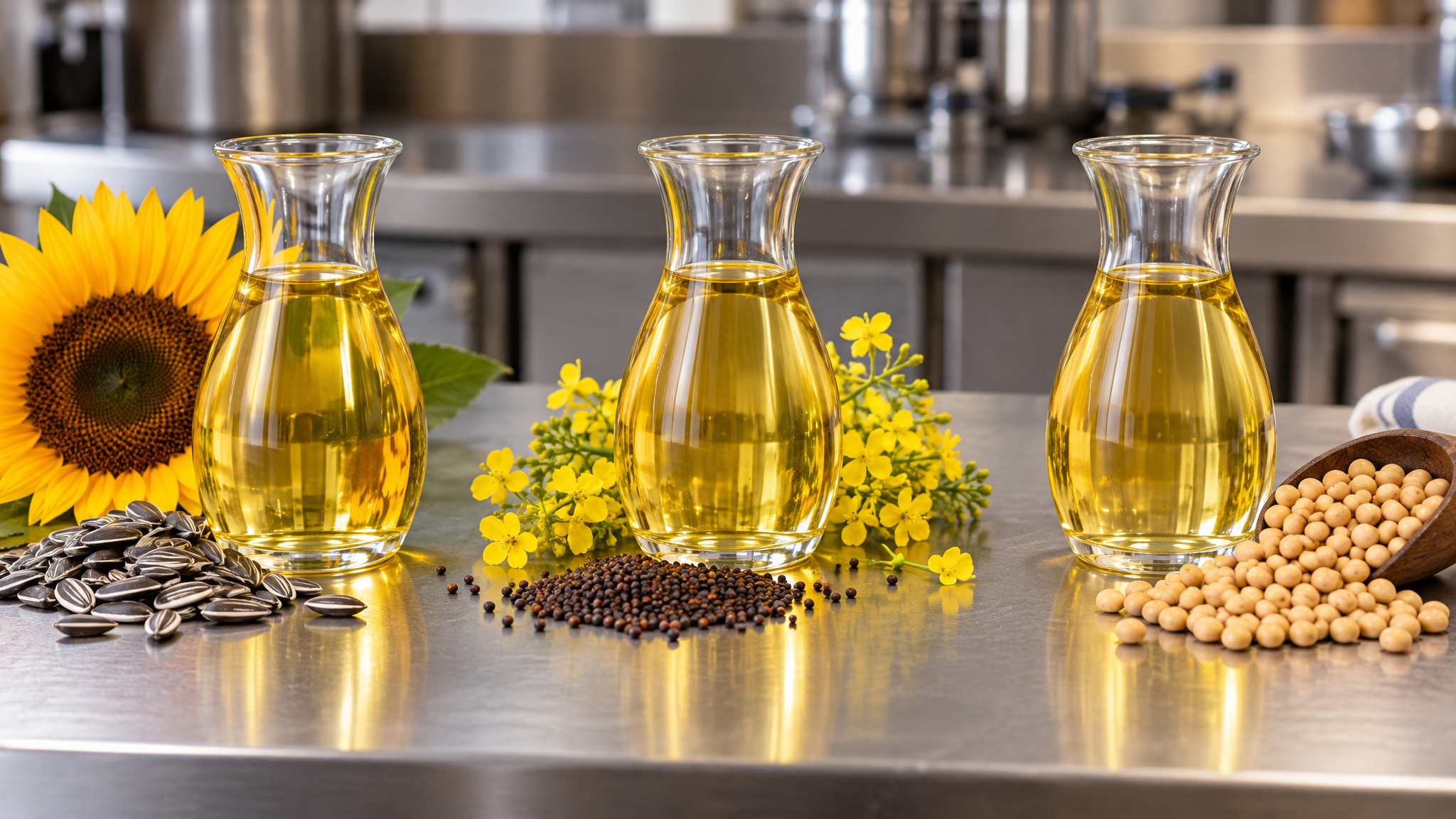
Oklahoma State University provides these typical fatty acid profiles:
-
What’s in the oil?
High-oleic sunflower
Conventional canola
Conventional soybean
Oleic acid—the main monounsaturated fat
84%
64%
23%
Total polyunsaturated fats
6.1%
27%
62%
Practical takeaway
Profile favors prolonged heat stability
More oleic acid than conventional soybean, but more oxidation-prone fats than high-oleic sunflower
High polyunsaturated content makes stability a greater concern
Source: Oklahoma State University Extension, Table 1. These are typical compositions, not specifications for every product. The practical takeaways describe composition-based expectations, not results from a three-oil fryer trial. [1]
An important buying detail: “canola” and “high-oleic canola” are not interchangeable. Neither are conventional and high-oleic soybean oil. High-oleic versions of both crops have improved fatty acid profiles. This comparison concerns their conventional versions.
Want to learn more about Colorado Mills? Discover our full-cycle approach to sunflower oil, livestock feed, and grower partnerships on our About Colorado Mills page.
3. High-Oleic Sunflower Oil: A Strong Fit for Long Frying Shifts

High-oleic sunflower oil’s main advantage is straightforward: it contains plenty of oleic acid and relatively little polyunsaturated fat.
That is why Oklahoma State University identifies high-oleic oils as useful ingredients for industrial frying. Their composition offers improved resistance to the oxidation that contributes to oil deterioration and off-flavors. [1]
For an operator, this makes high-oleic sunflower oil worth evaluating when extended frying performance is a priority.
Still, “more stable” does not mean “use indefinitely.” A 2021 study in Heliyon followed high-oleic sunflower oil during potato frying for eight hours a day over six days, with fresh oil added from the second day onward.
Researchers measured total polar compounds—substances used to assess accumulated oil deterioration. These rose from 1.76% before frying to 21.59% after 24 hours and 26.85% after 32 hours. [2]
The lesson is practical: even a high-oleic oil needs monitoring. Those hours are study results, not a replacement schedule for your fryer. The experiment used repeated daily heating, not uninterrupted industrial production, and did not directly test canola or soybean oil.
Explore our sunflower-based Performance Equine feed — high fat, low starch, and built for steady digestion. [See our Healthy Horse Feed →]
4. Conventional Canola and Soybean Oil: Where They Differ
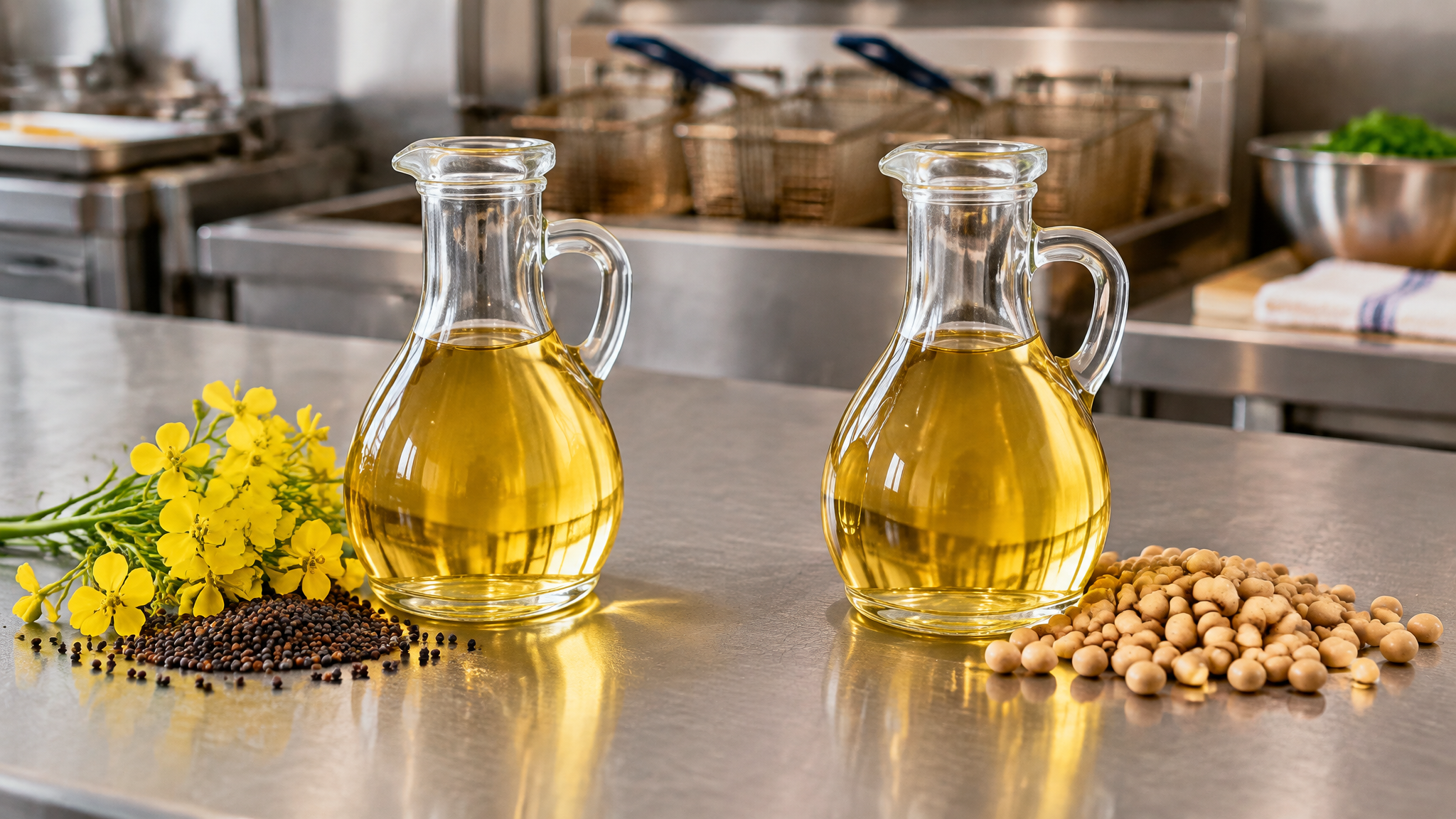
When comparing High-Oleic Sunflower Oil vs. canola oil, canola already contains a substantial amount of oleic acid, but carries higher levels of oxidation-prone polyunsaturates.
However, it also contains more polyunsaturated fat than high-oleic sunflower oil. Its composition therefore offers less protection against oxidation, all else being equal. That is a reason to compare performance carefully—not to assume every canola product will behave identically. [1]
Conventional soybean oil contains considerably more polyunsaturated fat and less oleic acid. Oklahoma State University specifically identifies this high polyunsaturated content as a reason for its relatively poor oxidative and thermal stability. [1]
Soybean oil may still enter purchasing decisions because of availability and price. But the purchase price alone does not establish which oil offers the best value through a full production cycle.
5. Compare the Cost of Use, Not Just the Container
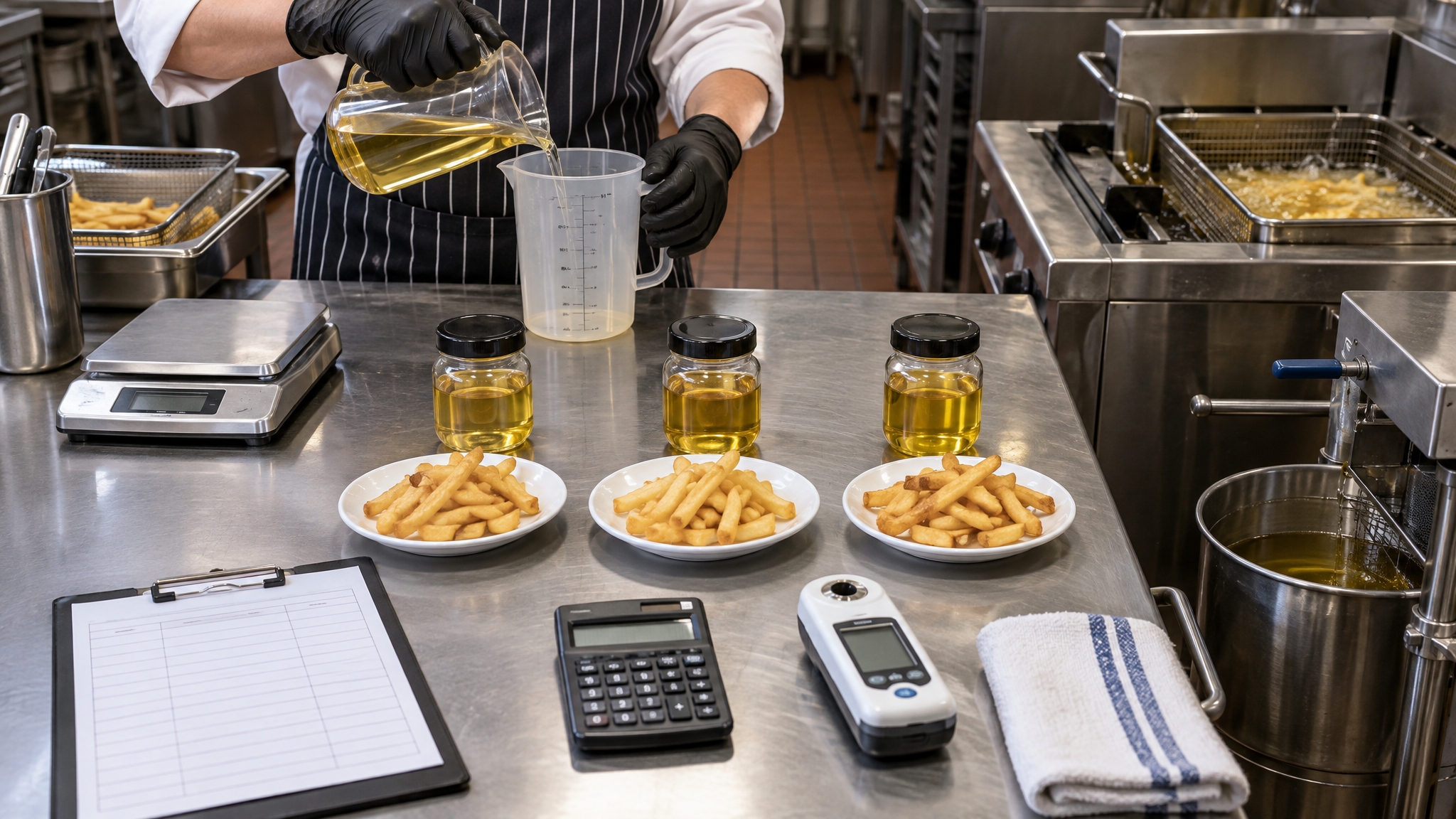
The useful question is not simply, “Which oil costs less to buy?” It is, “What does each oil cost to do the job?”
Before switching, run a controlled kitchen trial. Keep the food, temperature, filtration, and replacement criteria as consistent as possible. Record:
- How much food each batch of oil handles.
- How much fresh oil you add.
- When the oil reaches your established discard criteria.
- Whether finished-food flavor and quality remain acceptable.
- Total oil purchases and disposal costs during the trial.
This gives you evidence from your own operation. A fatty acid profile supports the case for testing high-oleic sunflower oil; it does not prove a universal “twice as long” claim.
Are you interested in growing sunflowers? Find resources and information for sunflower growers.
6. From Sunflower Growers to Your Kitchen
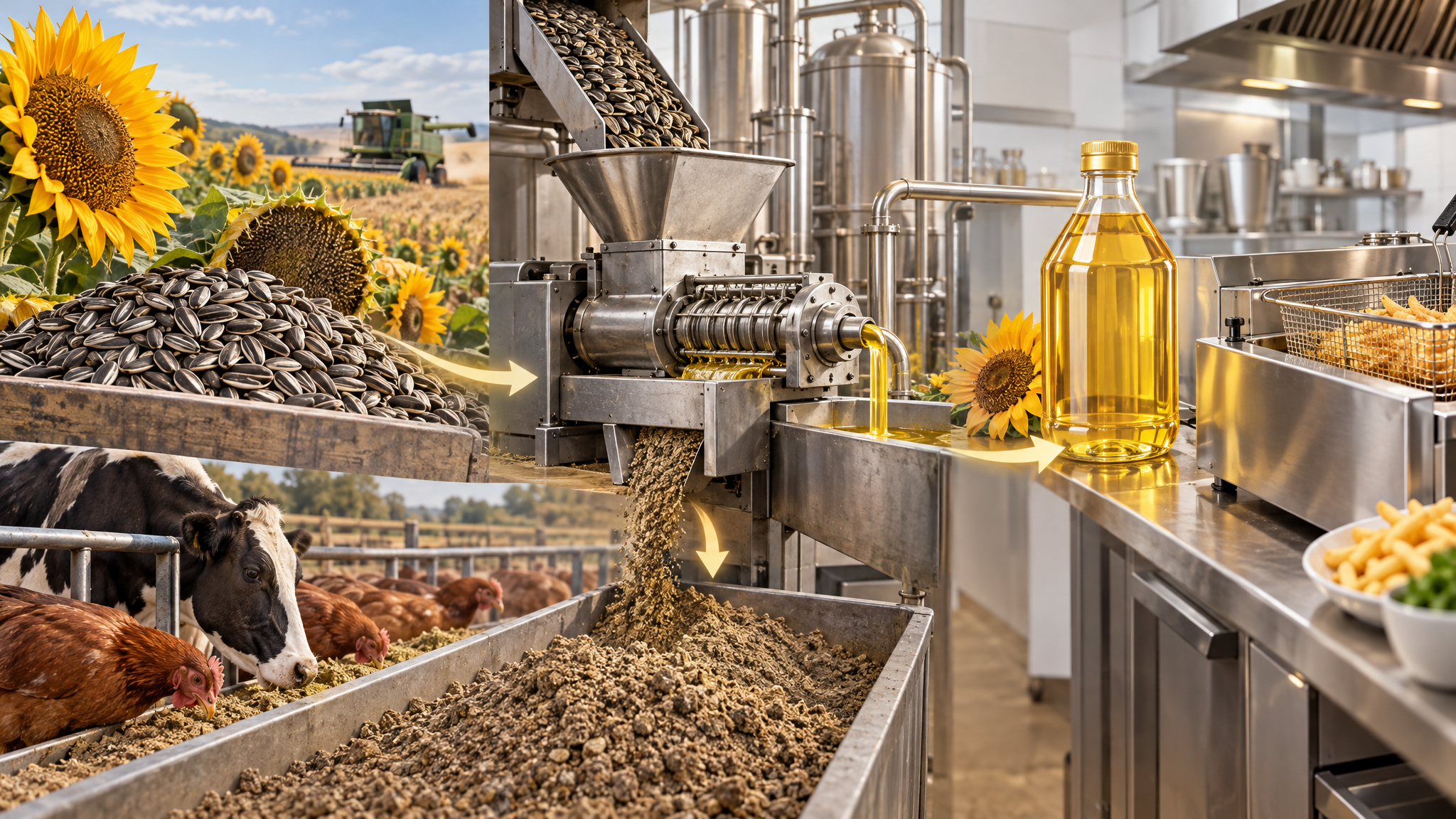
The oil’s story starts before it reaches the fryer.
Colorado Mills connects sunflower growers and customers through a vertically integrated, full-cycle approach. The company produces sunflower oil and uses the remaining sunflower material in livestock feed, making use of the crop beyond the oil itself.
For buyers who care about both ingredient performance and how their ingredients are produced, that connection matters.
Considering high-oleic sunflower oil for your operation? Explore Colorado Mills’ sunflower oil and full-cycle processing approach, and connect with the team to discuss your needs.
The bottom line: high-oleic sunflower oil has a clear composition-based stability advantage over conventional canola and soybean oils. The next step is measuring what that advantage delivers in your own fryer.
References
- Dunford, N. (2020). Properties of High Oleic Seed Oils. Oklahoma State University Extension, FAPC-236.
Source for typical fatty acid profiles, the relationship between oleic acid and stability, and the distinction between conventional and high-oleic oils.- Romano, R., et al. (2021). Oxidative stability of high oleic sunflower oil during deep-frying process of purple potato Purple Majesty. Heliyon, 7(3), e06294.
Source for the repeated-frying protocol and measured changes in total polar compounds.

0 Comments